


Introduction
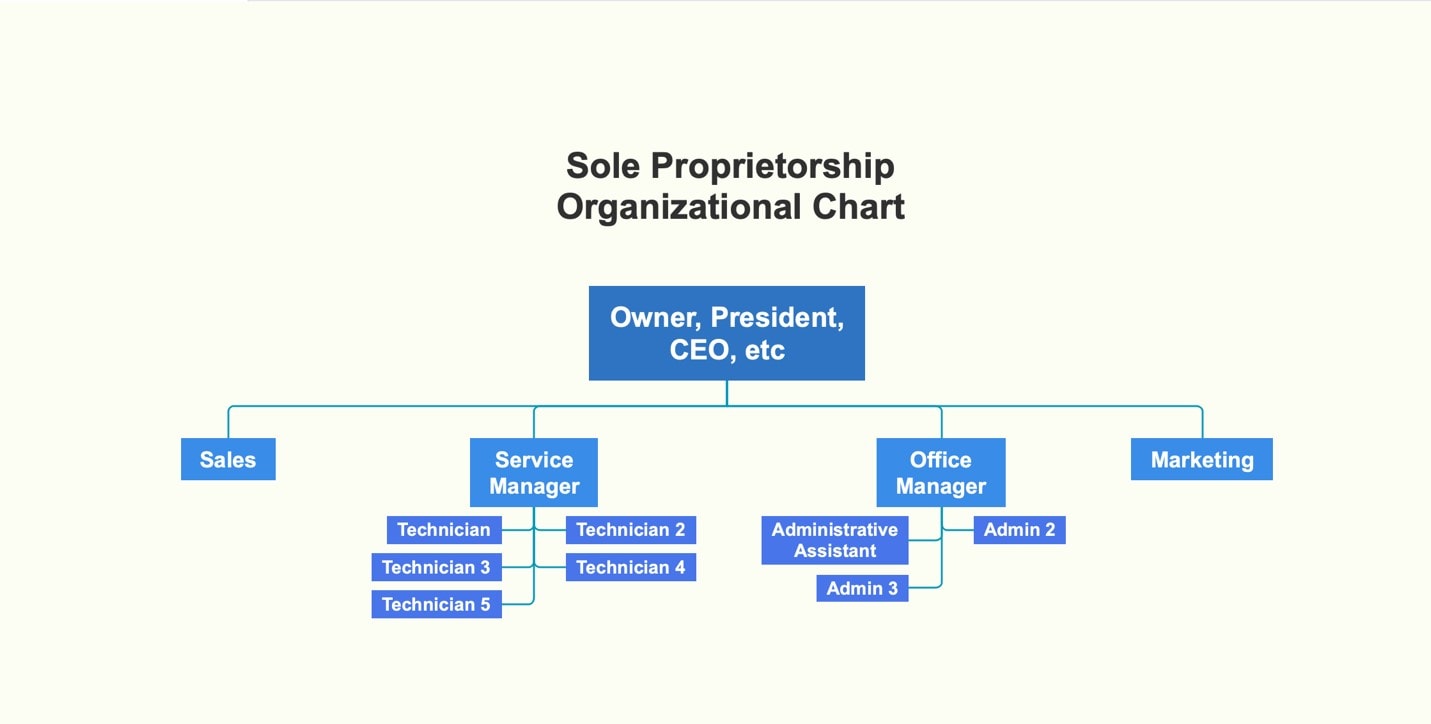
Many entrepreneurs ask an important question before expanding their businesses: Can a sole proprietor employ workers to work for him?
The simple answer is yes. A sole proprietorship is allowed to hire employees to help operate and grow the business. However, employing workers comes with both advantages and responsibilities that every sole proprietor should understand.
This article explains how employing workers works under a sole proprietorship, the benefits, and the disadvantages involved.

Can a Sole Proprietor Employ Workers?
Yes, a sole proprietor can legally employ workers. Although the business is owned and controlled by one individual, it can still have employees working under contracts—either full-time, part-time, or temporary.
In Ghana and many other countries, once a sole proprietor hires workers, the business owner must comply with:
- Labour laws
- Tax obligations (PAYE)
- Social security contributions (SSNIT)
- Workplace safety regulations
Employing workers does not change the ownership structure; the business remains fully owned by the sole proprietor.
Advantages of Employing Workers as a Sole Proprietor
1. Increased Productivity
Hiring workers allows tasks to be shared, enabling faster service delivery and higher output.
2. Business Growth and Expansion
With employees handling daily operations, the owner can focus on strategy, marketing, and expansion.
3. Access to Skills and Expertise
Employees may bring skills and experience that the sole proprietor lacks, improving service quality.
4. Improved Customer Service
More hands mean better customer support, quicker response times, and higher customer satisfaction.
5. Flexibility in Employment
A sole proprietor can hire workers based on business needs—temporary, contract, or permanent staff.
Disadvantages of Employing Workers as a Sole Proprietor
1. Increased Operating Costs
Salaries, wages, allowances, and benefits increase business expenses and reduce net profit.
2. Legal and Tax Responsibilities
The sole proprietor is responsible for:
- Paying employee taxes
- Making social security contributions
- Following labour regulations
Failure to comply can result in penalties.
3. Personal Liability
Since a sole proprietorship has no separate legal identity, the owner is personally liable for employee-related claims or legal disputes.
4. Management Challenges
Managing workers requires leadership, supervision, and conflict resolution skills, which can be stressful.
5. Risk During Low Business Periods
When business slows down, paying staff salaries can become a financial burden.

Important Things to Consider Before Hiring Workers
Before employing workers, a sole proprietor should:
- Register the business properly
- Keep accurate payroll and tax records
- Understand labour laws
- Assess cash flow sustainability
- Consider employment contracts
Conclusion
Yes, a sole proprietor can employ workers, and doing so can significantly improve productivity and business growth. However, it also comes with increased costs, legal obligations, and personal liability.
Before hiring, it is important to evaluate your financial capacity and understand your responsibilities as an employer. When managed properly, employing workers can take a sole proprietorship to the next level.
Call to Action
Need help with business registration, tax compliance, or employment documentation?
👉 Contact DE-KRISLAV SERVICES today and let us help you build your business the right way.