









Introduction
Business registration is one of the most important steps in starting and growing a legitimate business. Whether you are a startup founder, freelancer, entrepreneur, or expanding enterprise, registering your business provides legal recognition, builds credibility, and unlocks access to financial and growth opportunities.
In this article, we explain what business registration is, why it matters, and how it positions your business for long-term success.
What Is Business Registration?
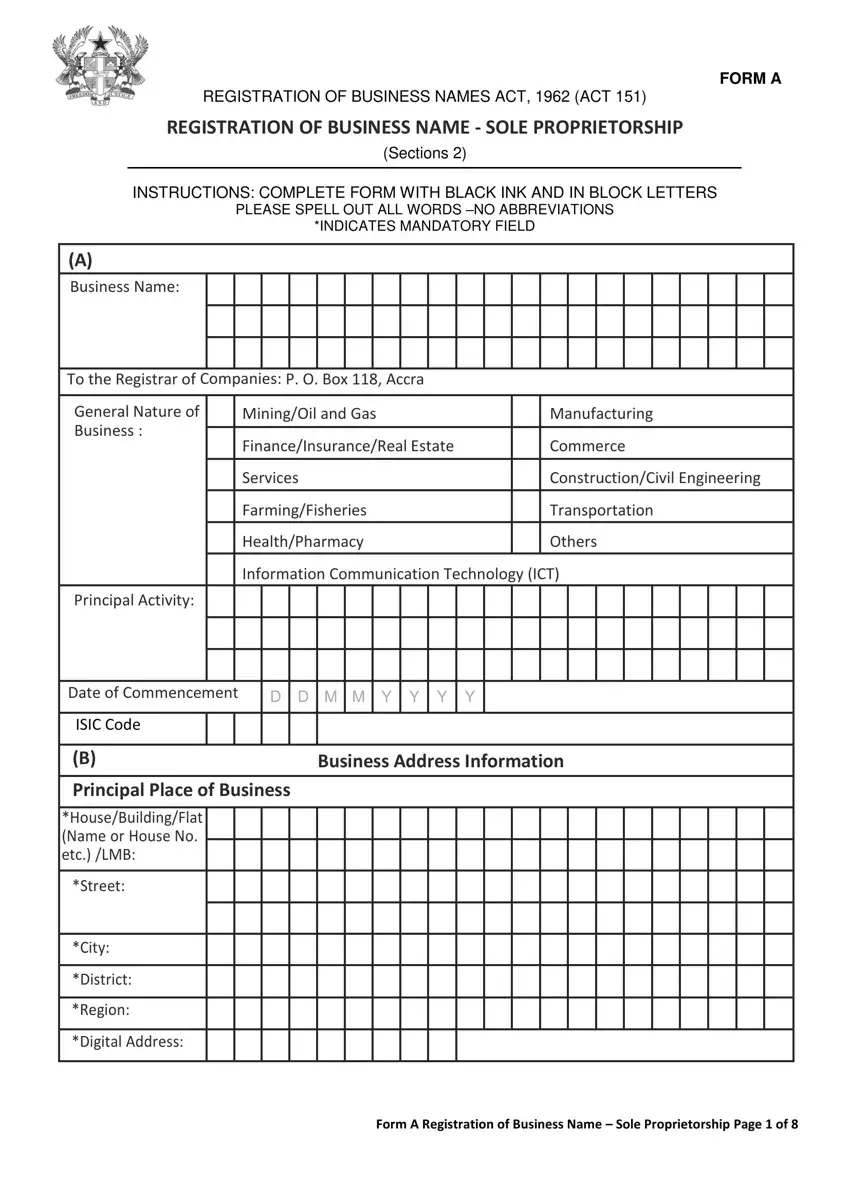
Business registration is the legal process of formally recording your business with the appropriate government authority. It gives your business a recognized identity, allowing it to operate legally, enter contracts, open bank accounts, and comply with regulatory requirements.
Registered businesses typically receive:
- A business or company name
- A registration or incorporation certificate
- A unique identification number
- Legal permission to operate within a jurisdiction
Why Business Registration Is Important

1. Legal Protection
Registering your business protects your name from being used by others and provides legal backing in case of disputes. Certain business structures also protect personal assets from business liabilities.
2. Builds Trust and Credibility
Customers, investors, and partners prefer dealing with registered businesses. A registered business appears more professional, trustworthy, and reliable.
3. Access to Banking and Finance
Most banks require business registration documents to open a corporate account. Registration also enables access to loans, grants, and investment opportunities.
4. Compliance With the Law
Operating an unregistered business may result in fines, penalties, or forced closure. Registration ensures your business operates within the law.
5. Business Growth and Expansion
Registered businesses can:
- Apply for government contracts
- Partner with corporate organizations
- Expand locally and internationally
- Protect intellectual property
Types of Business Registration
Depending on your goals and size, you can register under different business structures:
- Sole Proprietorship – Simple structure for individual owners
- Partnership – Owned by two or more persons
- Limited Liability Company (LLC) – Separate legal entity with limited liability
- Non-Profit or NGO – For charitable or social purposes
Each structure has different legal, tax, and operational implications.
Who Needs to Register a Business?
You should register your business if you:
- Sell products or services
- Run an online or physical store
- Offer freelance or professional services
- Plan to advertise or accept payments officially
- Want to scale or attract investors
Common Mistakes to Avoid
- Operating without registration
- Choosing the wrong business structure
- Using an unverified or conflicting business name
- Ignoring tax and regulatory obligations
Professional guidance helps avoid costly errors.
Professional Business Registration Services
Working with a professional business registration service saves time and ensures accuracy. Experts help with:
- Name search and reservation
- Proper documentation
- Regulatory compliance
- Post-registration support
This allows you to focus on building and growing your business.
Conclusion
Business registration is not just a legal requirement—it is a strategic investment in your business’s future. It strengthens your brand, protects your interests, and opens doors to opportunities that unregistered businesses cannot access.
If you are serious about growth, credibility, and long-term success, registering your business is the right first step.
Call to Action
Ready to register your business professionally and stress-free?
👉 Contact us today and let experts handle your business registration from start to finish.
“Start small, think big, and build legally.”